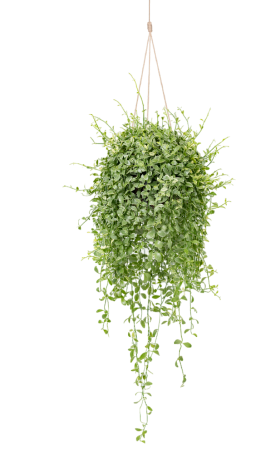


The true Hyssop is a power plant, related to an herb you probably already have in your kitchen!

About three thousand years ago, an ancient book prescribed a plant to be used in cleansing homes of mold, skin diseases, and ritual purification. What was the book and the plant? The Bible and…hyssop. Hyssop was specifically indicated because it truly has amazing antimicrobial properties. It took some research to identify the real hyssop plant, however, and a very informative video records the recent controversy surrounding it. (God's Antiseptic. Kills Virus On Contact. Why Did The Chemical Industry Erase It?)
Hyssop seemed to be “lost in translation” for many years. Researchers went back to the work of Rabbi Saadia Gaon, who translated the Hebrew scriptures into Arabic between 882 and 942 CE. He translated the Hebrew word for hyssop, ezov, into “za’atar”, a common Arabic herb. Maaimonides in Cairo later confirmed it: ancient hyssop was an herb, za’atar, (origanum syriacum in Latin, Syrian Oregano) which is consumed even today in Middle Eastern cuisine and home remedies. When the leaves are crushed in your fingers, it has a spicy aroma somewhere between oregano and thyme. However, the “hyssop” plant with purple flowers sold in garden centers in the US is not remotely as powerful. It is a European ornamental plant that inherited the name via mistranslation.
Za’atar is the traditional name of the original Middle Eastern hyssop, but it’s also the name of a dry kitchen herb mixture that people eat composed of dried za’atar leaves with sumac, sesame seeds and salt, eaten with flatbread and olive oil. It’s used for healing sore throats, too.
The antimicrobial agent found in za’atar (origanum syriacum) essential oils is carvacrol. Carvacrol is known to kill bacteria by draining the energy source, adenosine triphosphate (ATP) in the bacteria. It also disrupted the bacteria cell membrane, causing it to break open. It doesn’t work the way traditional antibiotics work, but attacks the membrane of the cell itself.
In a 1995 test of origanum syriacum essential oil against common molds found in foods and homes like aspergillus niger and fusarium oxysporum and penicillium species, it showed strong inhibitory action against them. (Antifungal Activity of the Essential Oil of Origanum syriacum L.) Then carvacrol was tested against Group A Strep (the bacterium behind strep throat, scarlet fever and rheumatic heart disease). The carvacrol caused membrane damage of the bacteria leading to leakage and death, as verified by electron microscope. (Carvacrol exhibits rapid bactericidal activity against Streptococcus pyogenes through cell membrane damage)
In 2025, oregano essential oils and carvacrol were tested against clinical methicillin-resistant staphylococcus aureus (MRSA)–a “superbug” that hospitals have extreme difficulty eradicating once it shows up in their wards. When combined with an antibiotic that had failed against MRSA (tobramycin), the carvacrol caused the antibiotic to reduce MRSA bacterial load in mouse infection models, improving survival. (Antibacterial activities of oregano essential oils and their active components)
Yet, after centuries of using it for home remedies and foods, picking this herb was made illegal in 1977 in Palestine. Families who had picked it for generations were prosecuted. Why? It was said that the herb needed “protection” from extinction, but this was not the case–it’s a very hardy plant that thrives in full-sun, desert conditions. There is another theory: the plant works–too well. Because the wild strains were, well, wild, they could not be standardized for mass production and therefore not useful for the drug or cleaning industries.
However, even though wild picking (foraging) of the herb was illegal, families still grew and harvested and processed the plant on their private lands and terraces. This led to the successful cultivation of this species on a farm in Egypt. Finally, it has been given the recognition it deserves for being an ancient herb with cleansing and healing properties against some of the most dangerous microbes we face today. In fact, you can order and grow your own origanum syriacum, either for a new flavor experience or healing tinctures or essential oil. Thankfully, “hyssop” has been resurrected from obscurity outside the middle East for good use where even antibiotics fail.
Photo by Tina Xinia on Unsplash